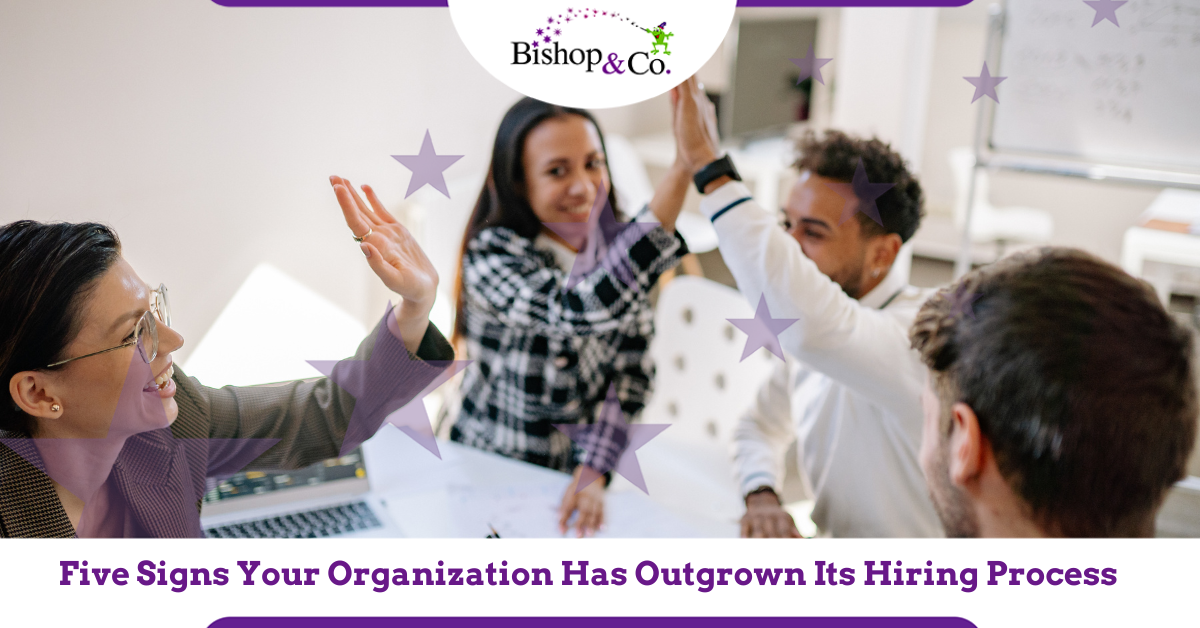
Hiring processes often evolve naturally as organizations grow. What once worked for a small team or occasional hiring needs may no longer support a larger organization, changing workforce demands, or more specialized positions.
If hiring has become more difficult, the solution may not be to work harder. It may be time to rethink the process itself.
Here are five signs your organization may have outgrown its current hiring approach.
1. Critical Positions Are Taking Longer to Fill
Some roles naturally require more time than others, but consistently lengthy hiring timelines may point to a larger issue.
Outdated recruiting methods, limited candidate outreach, or unrealistic expectations can slow the hiring process and make it more difficult to secure qualified professionals. Reviewing how positions are sourced, evaluated, and communicated can often improve hiring outcomes.
2. Job Descriptions No Longer Reflect the Work
Organizations change, but job descriptions do not always keep pace.
Employees often take on new responsibilities as technology, business priorities, and customer needs evolve. Hiring for an outdated role can create a mismatch between business expectations and candidate qualifications.
Regularly reviewing position requirements helps ensure every search reflects the organization’s current needs.
3. Hiring Decisions Feel More Reactive Than Strategic
Many organizations begin recruiting only after a vacancy creates an immediate need.
While this approach is understandable, it often limits planning, reduces candidate options, and increases pressure to hire quickly. Strategic workforce planning allows organizations to anticipate future needs rather than reacting only when positions become vacant.
4. Qualified Candidates Are Declining Offers
A declined offer is not always about compensation.
Candidates evaluate leadership, career growth, organizational culture, communication, and the overall hiring experience. When qualified professionals repeatedly choose other opportunities, it may be time to examine the recruiting process from the candidate’s perspective.
Small improvements can strengthen both offer acceptance and long-term retention.
5. Hiring Has Become More Complex Than Your Current Process
Today’s workforce is more competitive and specialized than it was just a few years ago.
Organizations may now be hiring for positions that require highly specific experience, leadership capabilities, or technical expertise. As hiring becomes more complex, recruiting strategies often need to evolve as well.
Expanding professional networks, refining search strategies, and leveraging local market expertise can help organizations compete for the talent they need.
Strong Organizations Continuously Improve Their Hiring Strategy
Hiring is not simply about filling open positions. It is about building a workforce that supports long-term business goals.
Organizations that regularly evaluate their hiring process are often better prepared to adapt to changing workforce trends, attract stronger candidates, and make more confident hiring decisions. Continuous improvement creates a hiring process that grows alongside the organization.
Is It Time to Refresh Your Hiring Process?
If your organization is experiencing longer hiring timelines, increased competition for talent, or changing workforce needs, it may be time to evaluate your recruiting strategy. Bishop & Company partners with organizations across Hawaiʻi to identify opportunities for improvement while connecting employers with exceptional talent.
Contact Bishop & Company to learn how a modern hiring strategy can help your organization stay competitive in today’s workforce.



Leave A Comment